
Artificial Intelligence (AI) has various models that help machines understand and generate human language. The Large Language Model (LLM) is one of the most advanced types. Let’s break down what LLMs are, what they do, how they are used, and their future.
What Are Large Language Models (LLMs)?
Large Language Models are AI that can understand and generate human language. They are built using deep learning techniques and trained on vast amounts of text data. This training allows them to perform various tasks related to natural language processing (NLP) and natural language understanding (NLU).
How Do LLMs Work?
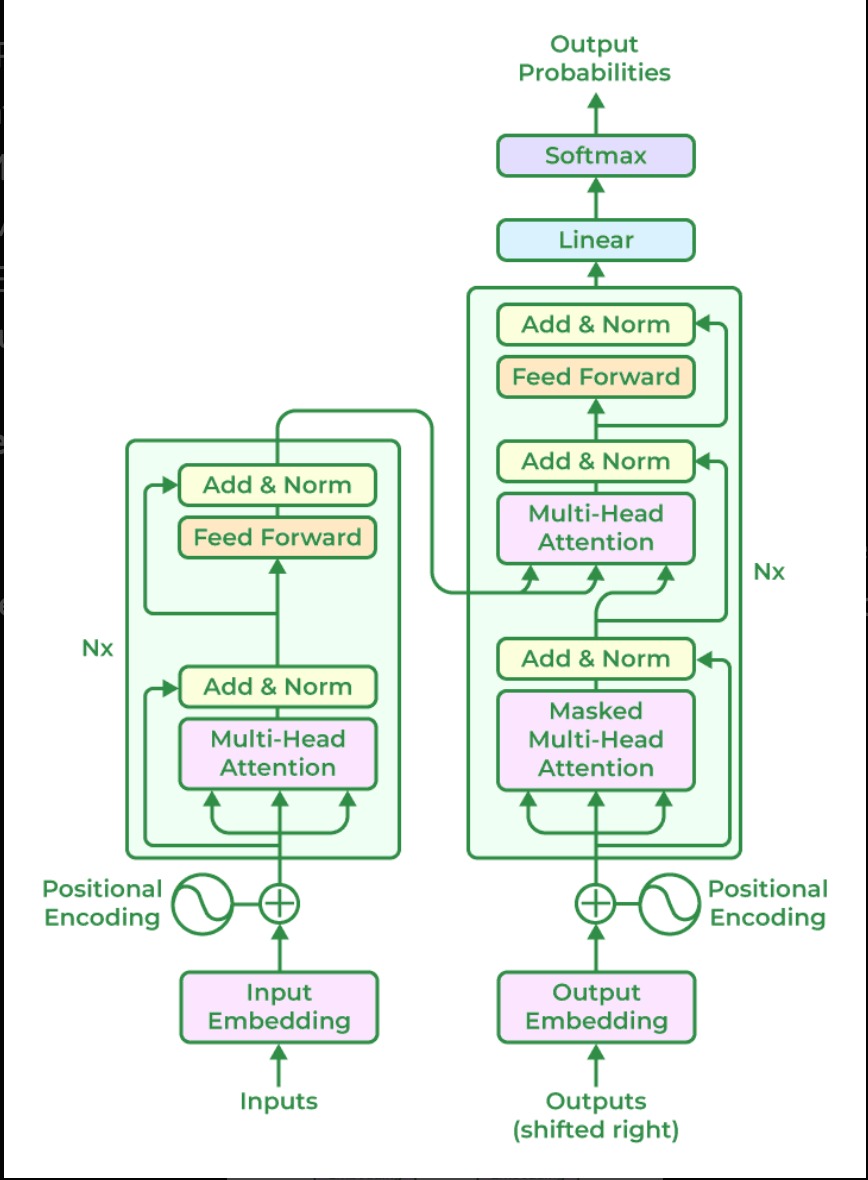
LLMs use a special type of neural network called a transformer model. Transformers are designed to handle large datasets and can process text by understanding the context and relationships between words. This allows LLMs to generate coherent and contextually relevant responses to various prompts
What Can LLMs Do?
LLMs have a broad range of applications, including:
- Text Generation: They can write essays, articles, poems, and other forms of text based on a given prompt.
- Translation: They can translate text from one language to another.
- Summarization: They can summarize long articles or documents into shorter versions.
- Conversational AI: They power chatbots and virtual assistants, providing human-like responses to user queries.
- Sentiment Analysis: They can analyze the sentiment or emotion behind a piece of text.
- Code Generation: They can help write and debug computer code
Examples of LLMs
Some well-known LLMs include:
- GPT-3 and GPT-4 by OpenAI: Used in applications like ChatGPT.
- BERT and RoBERTa by Google: Used for various NLP tasks.
- Llama by Meta: Another powerful LLM.
- Granite by IBM: Used in IBM’s AI products like watsonx Assistant.
Notable Models
Includes OpenAI’s GPT models, Google’s PaLM and Gemini, Meta’s LLaMA, and Anthropic’s Claude models.
The Future of LLMs
The future of LLMs looks promising with several advancements on the horizon:
- Improved Accuracy: Future LLMs will generate more accurate and coherent responses.
- Bias Mitigation: Efforts are being made to reduce biases in LLMs to ensure fair and ethical use.
- Customization: LLMs will become more customizable, allowing specific tuning for different tasks and industries.
- Cost Reduction: As technology advances, the cost of deploying LLMs will decrease, making them accessible to smaller companies and individuals.
Next...Recurrent Neural Networks
More language models are described here.
 Mind The Machine